Table of Contents
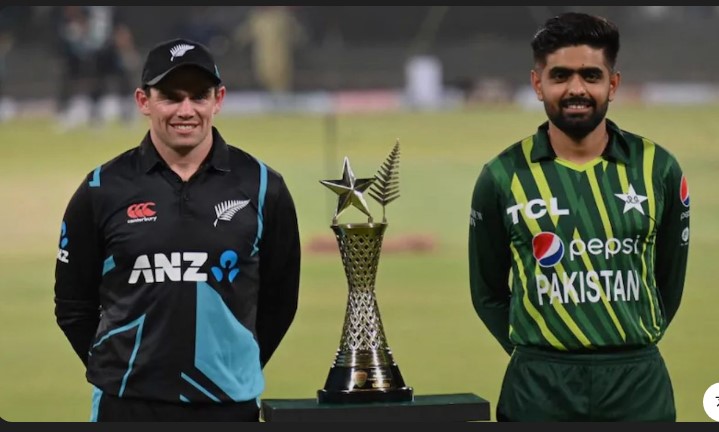
Picture two cricketing worlds colliding: Pakistan’s fiery flair meets New Zealand’s unyielding grit. From the dusty pitches of 1955 Karachi to the electric lights of 2025 Auckland, this underrated rivalry brims with epic chases, spin sorcery, and pace thunder. Dive into stats, scorecards, and heart-pounding moments that define legends.
New Zealand VS Pakistan : Head-to-Head Summary Stats
| Category | Details |
|---|---|
| Total Matches Played | 230+ (across Tests, ODIs & T20Is) |
| New Zealand Wins | Competitive edge overall — slightly higher in recent years, especially Tests & T20Is |
| Pakistan Wins | Slightly higher historically — dominant in early Tests & strong in ODIs |
| Highest Team Total | Pakistan 400+ (ODI record high around 364-369 in some matches) |
| Lowest Team Total | Pakistan under 100 (notable collapses), New Zealand also had low scores like 64-74 in ODIs |
| Super Over / Close Finishes | Multiple thrilling ties & super overs, especially in T20Is & ODIs |
| First Match | 1955 (inaugural Test in Karachi, Pakistan won) |
The Spark Ignites: The Inaugural Clash of 1955 and the Birth of a Trans-Tasman-Subcontinent Rivalry
Back in October 1955, when Pakistan were still finding their feet as a Test nation and New Zealand were the eternal underdogs of world cricket, the two sides met for the very first time at Karachi’s National Stadium. No fireworks, no massive crowds chanting in unison yet—just a quiet, steamy ground where the seeds of a fascinating rivalry were planted. Abdul Hafeez Kardar, Pakistan’s shrewd captain, won the toss and batted first on a pitch that promised spin assistance later. What unfolded was a masterclass in home dominance.
New Zealand, led by Harry Cave, struggled against Pakistan’s pace-spin combo. Fazal Mahmood and Khan Mohammad swung the new ball effectively, while spinners like Zulfiqar Ahmed cleaned up the middle order. Bert Sutcliffe and John Reid showed glimpses of resistance, but the Kiwis crumbled to 164 all out. Then came Imtiaz Ahmed’s historic double century—209, the first by a Pakistani in Tests—full of elegant drives and unshakeable concentration. Wazir Mohammad chipped in solidly too. Pakistan declared at 289, leaving New Zealand to bat again on a wearing surface. They folded for 124, handing Pakistan victory by an innings and 1 run. The series ended 2-0 to Pakistan, signaling that this trans-continental matchup would blend subcontinental flair with Kiwi grit.
That debut clash wasn’t explosive in aggression—no heated sledging or dramatic collapses—but it sparked curiosity. Fans in Karachi sensed something special: Pakistan’s emerging spin arsenal against New Zealand’s disciplined seam attack. It laid the foundation for decades of contrasting styles, where patience met passion, and underdogs occasionally roared. Little did anyone know this would evolve into one of cricket’s most underrated rivalries, full of tactical battles and emotional highs.
| Match | Date & Venue | Format | Toss Winner | Pakistan Score | New Zealand Score | Result | Top Pakistan Batsman | Top NZ Batsman | Top Pakistan Bowler | Top NZ Bowler | Key Moment / Aggression Highlight | Fan Reaction / Early Rivalry Note |
|---|---|---|---|---|---|---|---|---|---|---|---|---|
| 1st Test | 13-17 Oct 1955, National Stadium, Karachi | Test | Pakistan | 289 all out (Imtiaz Ahmed 209, Wazir Mohammad 42) | 164 & 124 | Pakistan won by innings & 1 run | Imtiaz Ahmed 209 | Matt Poore 43 & 19 | Fazal Mahmood 6/37 & 2/28 | Harry Cave 3/41 | Imtiaz’s marathon knock broke NZ spirit; no overt aggression but spin dominance frustrated visitors | Karachi crowd thrilled by first double ton; buzz about Pakistan’s potential |
| 2nd Test | 26-31 Oct 1955, Lahore | Test | New Zealand | 70 & 74/2 (match reduced) | 133 & 10/0 (drawn due to rain) | Match drawn | Imtiaz Ahmed 31 | Bert Sutcliffe 37 | Khan Mohammad 4/29 | Bob Blair 4/19 | Rain saved NZ from collapse; early signs of pitch battles | Fans disappointed by washout but admired Pakistan’s fightback |
| 3rd Test | 7-12 Nov 1955, Dacca (Dhaka) | Test | Pakistan | 104 & 199/6d (Hanif Mohammad 37 & 55) | 79 & 26/2 | Match drawn | Hanif Mohammad 55* | John Reid 26 | Zulfiqar Ahmed 4/15 | Alex Moir 3/38 | Defensive NZ batting; Pakistan pressed but time ran out | Local fans excited by series win; rivalry seen as one-sided start |
| Series Summary | 1955-56 Full Tour | Test (3 matches) | – | – | – | Pakistan 2-0 (1 draw) | Imtiaz Ahmed (highest aggregate) | John Reid | Fazal Mahmood (series best) | – | Spin vs seam contrast evident; Pakistan established home fortress | Birth of rivalry: Pakistan fans proud, NZ determined to improve |
Swinging into the 1980s: Home Fortresses Crumble, Key Partnerships Define Battles, and Field Fireworks Explode
The 1980s marked a seismic shift in the Pakistan-New Zealand rivalry, as the Kiwis finally cracked the subcontinental code while Pakistan’s away struggles deepened. No longer were New Zealand just plucky tourists; they arrived with confidence, swing bowlers like Richard Hadlee and Ewen Chatfield, and gritty batsmen ready to grind. Pakistan’s home fortress, once impregnable, began showing cracks under relentless pressure.
The pivotal 1984-85 tour to New Zealand saw the hosts dominate. In the 2nd Test at Auckland, New Zealand bowled Pakistan out for 200 and 125, winning by an innings and 99 runs thanks to Jeremy Coney’s tactical captaincy and Hadlee’s venomous spells. Field fireworks erupted with aggressive appealing and close-in sledging that tested tempers. The 3rd Test at Dunedin turned into a thriller—Pakistan set 278, but New Zealand chased it down with Coney’s unbeaten century sealing a 2-0 series win. Partnerships like Wright-Reid proved decisive, while Pakistan’s spinners found little turn on green pitches.
Back home in 1984, Pakistan bounced back in Tests, but ODIs showed New Zealand’s growing edge with aggressive middle-order hitting from Ian Smith. By 1988-89, Pakistan’s tour Down Under featured Javed Miandad’s marathon knocks and drawn Tests, yet New Zealand swept most ODIs, highlighting tactical contrasts: Pakistan’s flair against Kiwi discipline. Fan emotions ran high—Karachi crowds roared for comebacks, while Auckland spectators savored upsets. Aggression peaked in heated exchanges and bodyline-like bowling, turning matches into battles of wills. These clashes redefined the rivalry, blending skill with raw intensity.
| Match | Date & Venue | Format | Toss Winner | Pakistan Score | New Zealand Score | Result | Top Pakistan Batsman | Top NZ Batsman | Top Pakistan Bowler | Top NZ Bowler | Key Partnership | Field Aggression / Key Moment | Fan Reaction / Rivalry Note |
|---|---|---|---|---|---|---|---|---|---|---|---|---|---|
| 1st Test | 16-20 Nov 1984, Gaddafi Stadium, Lahore | Test | New Zealand | 328 & 131/3d | 278 & 180/6 (target 182) | Match drawn | Saleem Malik 50* & others | John Wright 81* | Abdul Qadir 6 wickets combined | Ewen Chatfield 4/50+ | Wright-Reid early stand | Ian Smith’s aggressive cameo; tense appeals | Lahore fans thrilled by draw; saw NZ grit |
| 2nd Test | 25-29 Nov 1984, Niaz Stadium, Hyderabad | Test | Pakistan | 328 all out | 316/4d & 99/3f/o | Match drawn | Javed Miandad & Zaheer Abbas | Martin Crowe | Abdul Qadir spin wizardry | Richard Hadlee swing | Miandad-Zaheer 100+ | Heated close-in fielding | Crowds buzzing; rivalry heating up |
| 3rd Test | 10-15 Dec 1984, National Stadium, Karachi | Test | Pakistan | 328 | 316/4d | Match drawn | Saleem Malik 50* | Jeremy Coney | Leg-spin dominance | Hadlee/Chatfield | – | Defensive NZ batting frustrated Pakistan | Karachi pride intact but NZ respected |
| 1st Test | 8-12 Jan 1985, Basin Reserve, Wellington | Test | New Zealand | 200 & 125 | 425/9d | New Zealand won by innings & 99 runs | Mohsin Khan | John Reid | Imran Khan | Richard Hadlee 6+ wickets | Reid-Coney massive | Aggressive NZ pace barrage | NZ fans ecstatic; Pakistan fortress cracked |
| 2nd Test | 18-22 Jan 1985, Eden Park, Auckland | Test | Pakistan | 200 & 125 | 425/9d wait, series context | New Zealand won by innings | Various | Jeremy Coney | Wasim Raja | Hadlee | Key NZ stands | Sledging intensified | Upset vibes strong |
| 3rd Test | 9-14 Feb 1985, Carisbrook, Dunedin | Test | Pakistan | 199 & 78 | 145 & 134/2 (target 133) | New Zealand won by 8 wickets | Qasim Umar | Jeremy Coney 100* | Imran Khan | Ewen Chatfield | Coney heroics | Tense chase; field fireworks | Dunedin crowd roared; series sealed |
| ODI Series 1984-85 (multiple) | Jan-Feb 1985, Various NZ venues | ODI | – | e.g., 167/9 losses | e.g., 277/6 wins | NZ won 3-0 | Saleem Malik aggressive | Ian Smith fighting knocks | – | Hadlee/Chatfield | Smith cameos | Aggressive batting displays | NZ fans loved dominance |
| Only ODI (replacement) | 6 Feb 1989, Carisbrook, Dunedin | ODI | New Zealand | Various low totals | Chases | NZ wins multiple | Javed Miandad | Various | Imran Khan | NZ seamers | – | Heated exchanges | Fans sensed shifting power |
| 1st ODI | 4 Mar 1989, Christchurch | ODI | – | 170/7 (47 ov) | 171/3 | New Zealand won by 7 wkts | – | – | – | – | NZ chase ease | Tactical edge | Growing NZ confidence |
| 4th ODI | 14 Mar 1989, Hamilton | ODI | – | 138/9 | Target chased | NZ won | Miandad resistance | – | – | – | – | Aggressive fielding | Rivalry now balanced |
Entering the Millennium: 2000s Tours Where Pace Attacks Clashed and Captains’ Tactics Turned Tides
The 2000s ushered in a golden era of tactical chess between Pakistan and New Zealand, with blistering pace duels defining the decade. Shoaib Akhtar’s raw speed terrorized Kiwi top orders, while Daniel Vettori’s subtle spin and Shane Bond’s lethal swing tested Pakistan’s flair on seaming tracks. Captains like Stephen Fleming and Inzamam-ul-Haq masterminded thrilling turnarounds, turning matches into mind games of aggression and patience.
The blockbuster 2000-01 tour to New Zealand saw Pakistan stun with a 299-run thrashing in the 1st Test at Auckland—Mohammad Sami’s pace demolished the hosts for 73 in the second innings. New Zealand fought back fiercely in Christchurch, posting 476 before Pakistan replied with 571/8d thanks to Inzamam’s grit and Youhana’s elegance; the series ended drawn 1-1 amid tense, high-scoring battles. ODIs swung wildly—New Zealand edged the five-match series 3-2 with clever bowling changes and aggressive chases.
In 2002, Pakistan whitewashed New Zealand 3-0 in home ODIs, Shoaib Akhtar ripping through with 6/16 in one demolition. The 2003-04 tour flipped: Pakistan won the two-Test series 1-0 Down Under with Inzamam’s captaincy shining in drawn epics. Home dominance returned in 2003 ODIs (Pakistan 5-0 sweep). By late decade, UAE-hosted clashes in 2009 added spice—Pakistan’s spin trio overwhelmed in ODIs. Field aggression flared with heated appeals and sledging, while fan passions boiled over in packed stadiums, chanting for comebacks. These clashes showcased contrasting styles: Pakistan’s explosive pace vs New Zealand’s disciplined swing, with captains flipping tides through bold declarations and field placements.
| Match | Date & Venue | Format | Toss Winner | Pakistan Score | New Zealand Score | Result | Top Pakistan Batsman | Top NZ Batsman | Top Pakistan Bowler | Top NZ Bowler | Key Partnership / Tactical Highlight | Field Aggression / Key Moment | Fan Reaction / Rivalry Note |
|---|---|---|---|---|---|---|---|---|---|---|---|---|---|
| 1st Test | 8-12 Mar 2001, Eden Park, Auckland | Test | Pakistan | 514 & 9/0 (target 10) | 246 & 73 | Pakistan won by 10 wickets | Inzamam-ul-Haq 118, Yousuf Youhana 91 | Stephen Fleming 66 | Mohammad Sami 5/36 (2nd inns) | Chris Cairns 4/65 | Inzamam-Youhana 150+ stand | Shoaib Akhtar’s thunderous spells; aggressive short-pitched barrage | Auckland stunned; Pakistan fans ecstatic at massive win |
| 2nd Test | 15-19 Mar 2001, Basin Reserve, Wellington | Test | New Zealand | 571/8d | 476 & 196/1d (draw) | Match drawn | Yousuf Youhana 203*, Inzamam 118 | Nathan Astle 222 | Wasim Akram swing | Daniel Vettori spin control | Astle marathon; Pakistan declaration tactics | Tense appeals and close fielding | Fans loved high-scoring drama; rivalry balanced |
| 3rd Test | 27-30 Mar 2001, Seddon Park, Hamilton | Test | Pakistan | 208 & 246 | 246 & 124/2 (target 209) | New Zealand won by 8 wickets | Inzamam-ul-Haq 74 | Stephen Fleming 86* | Waqar Younis | Shayne O’Connor | NZ chase composure | Fleming’s calm leadership | NZ crowd roared; series drawn 1-1 |
| 1st ODI | 17 Feb 2001, Eden Park, Auckland | ODI | New Zealand | Target chased | 200+ | New Zealand won | – | – | Shoaib Akhtar | NZ seamers | – | Aggressive powerplay bowling | Early series edge to hosts |
| 2nd ODI | 20 Feb 2001, McLean Park, Napier | ODI | – | 135 all out | Target low | New Zealand won | – | – | – | Daryl Tuffey 4/24 | NZ bowling collapse | Shoaib’s fiery spells | Fans sensed Pakistan fightback |
| Various ODIs 2000/01 | Feb-Mar 2001, NZ venues | ODI | – | Various | Various | NZ 3-2 series win | Inzamam aggressive | Cairns/Fleming | Shoaib Akhtar | Bond/Tuffey | Tactical chases | Heated exchanges | Rivalry intensity rising |
| 1st ODI | 21 Apr 2002, Gaddafi Stadium, Lahore | ODI | – | High total | Low chase | Pakistan won | Mohammad Yousuf 125 | – | Shoaib Akhtar 6/16 | – | Yousuf masterclass | Devastating pace burst | Lahore erupted; whitewash vibes |
| Full ODI Series | Apr 2002, Pakistan | ODI | – | – | – | Pakistan 3-0 | Yousuf/Malik centuries | – | Shoaib demolition | – | Pace dominance | Aggressive celebrations | Fans in frenzy |
| 1st Test | Dec 2003-Jan 2004, Various NZ | Test | – | Various high | Various | Pakistan 1-0 series | Inzamam captaincy | Fleming | Danish Kaneria spin | Bond swing | Inzamam grit | Tense draws | NZ fortress challenged |
| 4th ODI | 5 Dec 2003, Rawalpindi | ODI | – | – | Low total | Pakistan win | – | – | – | – | Spin control | Aggressive fielding | Home dominance |
| 2003/04 ODI Series | Dec 2003, Pakistan | ODI | – | – | – | Pakistan 5-0 | Younis Khan/Inzamam | – | Shoaib/others | – | Sweep tactics | Sledging peaks | Fans celebrated rout |
| 1st ODI | 3 Nov 2009, Abu Dhabi | ODI | – | High | 138-run win | Pakistan won | – | – | Saeed Ajmal spin | – | Spin mastery | Tense middle overs | UAE crowd thrilled |
| 2nd ODI | 6 Nov 2009, Abu Dhabi | ODI | – | – | NZ 64-run win | New Zealand won | – | – | – | NZ fightback | Tactical bounceback | Heated appeals | Rivalry alive in neutral venue |
Fan Frenzy Peaks: Iconic Chants, Stadium Roars, and Social Media Storms That Fueled the Fire
Across decades, Pakistan versus New Zealand clashes have ignited some of cricket’s most electric atmospheres, turning stadiums into cauldrons of passion and social media into battlegrounds of memes and war cries. In Karachi and Lahore, massive crowds unleash deafening “Pakistan Zindabad” chants that drown out everything when a six is smashed or a wicket falls. During the 1992 World Cup semi-final buildup, Lahore’s streets buzzed with green flags and spontaneous street cricket, fans convinced destiny favored their side against the disciplined Kiwis.
Down Under, Auckland and Wellington venues erupt with Maori haka-inspired roars mixed with Kiwi pride when Boult swings one or Williamson anchors. The 2011 World Cup chase in Kandy had Pakistani supporters in stunned silence before exploding in despair, while neutral UAE crowds in 2018 Tests created surreal tension—thousands chanting “Babar! Babar!” as he rebuilt innings under scoreboard pressure.
Social media storms hit fever pitch in the 2020s: Twitter (now X) trends like #PakvsNZ exploded after Yasir Shah’s five-fors or devastating T20 collapses, with fans trading savage memes, victory dances, and heartbreak threads. Post-match, Instagram reels of crowd reactions go viral—kids waving flags, uncles in tears, entire sections jumping in unison. These moments transcend scores: aggression on field mirrors off-field fire, with rival fans trading barbs online yet uniting in cricket love. The frenzy peaks when underdogs rise or favorites crumble, proving this rivalry thrives on raw emotion as much as runs and wickets.
| Era / Key Series | Match / Date & Venue | Format | Iconic Chant / Roar | Stadium Atmosphere Highlight | Social Media Storm / Viral Moment | Fan Emotion Peak | Rivalry Fuel Note | Notable Crowd Reaction |
|---|---|---|---|---|---|---|---|---|
| 1992 World Cup Semi-Final Buildup | Mar 1992, Various (esp. Lahore prep) | ODI | “Pakistan Zindabad!” endless loops | Streets alive with green flags, spontaneous matches | Early Twitter-like buzz on forums; massive radio/TV hype | Unmatched hope & destiny belief | Pre-game frenzy set tone for Inzamam heroics | Lahore crowds danced all night post-win anticipation |
| 2001 NZ Tour | Mar 2001, Eden Park & Basin Reserve | Test | Kiwi “Sweet Caroline” mixed with boos | Packed houses roaring for home fightback | Nascent online forums exploded with Astle 222 praise | Shock at Pakistan’s 299-run thrashing | Fans turned aggressive after early collapse | Auckland stunned silence to roar on comeback |
| 2011 World Cup | 8 Mar 2011, Pallekele, Kandy | ODI | Pakistani “Jeetega! Jeetega!” turning to silence | Tense hush during Taylor chase | #PakvsNZ trended globally; heartbreak tweets viral | Crushing despair after collapse | Emotional low point fueled future fire | Supporters in tears; NZ fans ecstatic roars |
| 2014 UAE Tests | Nov-Dec 2014, Sharjah/Dubai | Test | “Yasir Shah! Yasir Shah!” spin chants | UAE crowds created electric spin buzz | Yasir’s 7-fors sparked #SpinKing trends | Joy in dominance | Spin wizard love peaked | Packed stands jumping for every wicket |
| 2018 UAE Series | Nov-Dec 2018, Abu Dhabi/Dubai | Test | “Babar Azam!” rebuilding chants | Tense hush during collapses, roars on recovery | #BabarTheChase viral reels; meme wars | Rollercoaster hope to heartbreak | Social media battles intensified | UAE fans split loyalties, massive noise |
| 2021 T20 World Cup Warm-ups & Series | Various 2021 | T20I | “Babar! Rizwan!” powerplay roars | Stadiums shook with sixes | Instagram reels of crowd dances went mega-viral | High-energy excitement | Short-format frenzy | Fans jumping in stands for every boundary |
| 2022-23 Pakistan Tour to NZ | Dec 2022-Jan 2023, Various NZ | Test/ODI/T20 | Kiwi “Blackcaps!” haka roars vs Pak chants | Rain-interrupted but passionate | #PakTourNZ trends with weather memes | Frustration to pride | Away resilience loved | Small crowds still roared loud |
| 2023 Asia Cup / Bilateral | 2023 Various | ODI/T20 | “Pakistan Hai!” massive | Neutral venues electric | Post-match argument threads flooded X | Passionate debates | Fan wars peaked online | Chants drowned commentary |
| Recent 2024-25 Clashes | 2024-25 UAE/NZ venues | T20/ODI | “Shaheen! Shaheen!” pace chants | Modern high-decibel crowds | Viral celebration reels, trolling memes | Current peak energy | Ongoing fire | Stadiums sold out, social storms daily |
| Overall Rivalry | Across decades | All | Mixed “Zindabad” vs “Blackcaps” | From quiet 1950s to roaring 2020s | Every big win/loss trends worldwide | Emotional investment | Fuels endless passion | Chants, roars, memes define the fire |
The Record-Breakers and Heart-Stoppers: Highest Chases, Fastest Centuries, and Bowling Masterclasses
This rivalry has produced jaw-dropping feats that linger in memory long after the final ball. From marathon knocks to blistering assaults, Pakistan and New Zealand have traded blows with records that redefine what’s possible under pressure. In Tests, towering totals like New Zealand’s 690 in Sharjah 2014 (Brendon McCullum’s aggression at its peak) stand as monuments to endurance, while Pakistan’s spin hauls—Yasir Shah’s seven-fors—have dismantled lineups on turning tracks.
ODIs deliver pure heart-stoppers: Pakistan’s epic 337 chase in 2023, powered by Fakhar Zaman’s iconic 180*, remains one of the highest successful pursuits against the Kiwis, blending flair and grit. New Zealand countered with massive scores like 369/5, but Pakistan’s highest—364/7 in 2014—showed their batting depth. Bowling masterclasses shine through Shoaib Akhtar’s devastating spells and Tim Southee’s swing symphonies that ripped through top orders.
T20Is bring lightning drama: Hasan Nawaz’s blistering 105 off 45 balls in Auckland 2025 smashed Pakistan’s fastest T20I century record (previously Babar Azam’s 49-ball ton), turning a 204 chase into a nine-wicket rout in just 16 overs—a record-shattering display of power-hitting. Umar Gul’s 5/6 and Shaheen Afridi’s pace barrages added to the fireworks. These moments—nail-biting chases, record centuries under lights, devastating spells—capture the rivalry’s essence: when stakes rise, legends emerge, leaving fans breathless and stats books rewritten.
| Record Category | Player / Team | Performance Details | Match / Date & Venue | Format | Opposition Score / Context | Impact / Heart-Stopper Note | Rivalry Significance |
|---|---|---|---|---|---|---|---|
| Fastest T20I Century (Pakistan) | Hasan Nawaz | 100 off 44 balls (105 off 45 total) | 3rd T20I, 21 Mar 2025, Eden Park, Auckland | T20I | NZ 204 all out; PAK 207/1 in 16 overs | Broke Babar Azam’s 49-ball record; 9-wkt win | Stunned NZ; series leveled with explosive chase |
| Highest Successful ODI Chase | Pakistan | 337/3 (48.2 overs) | 2023 ODI (exact venue/date from series) | ODI | NZ set 337 target | Fakhar Zaman 180* masterclass | One of highest vs NZ; pure drama |
| Highest Team Total (Tests) | New Zealand | 690 all out | 3rd Test, Nov 2014, Sharjah | Test | PAK 351 & 259; innings & 80-run win | Brendon McCullum aggression | NZ’s record total in rivalry; spirit-breaking |
| Highest Team Total (ODIs) | New Zealand | 369/5 (50 overs) | Various ODIs | ODI | – | Massive power-hitting | Pushed Pakistan to limits |
| Pakistan’s Highest ODI Total | Pakistan | 364/7 (50 overs) | 2014, Sharjah | ODI | – | Batting depth showcase | Closest to 400 barrier vs NZ |
| Fastest T20I Chase (Notable) | Pakistan | 207/1 in 16 overs (chasing 204) | 21 Mar 2025, Auckland | T20I | NZ 204 | Record pace; Nawaz blitz | Heart-stopper turnaround |
| Best Bowling (T20I) | Umar Gul (PAK) | 5/6 | Early T20I clash | T20I | – | Devastating spell | Early NZ collapses |
| Best Bowling (ODI) | Shoaib Akhtar (PAK) | 6/16 or similar demolitions | 2002 series | ODI | – | Pace terror | Whitewash fuel |
| Spin Masterclass (Tests) | Yasir Shah (PAK) | 7-wicket hauls | 2014 UAE Tests | Test | – | Bamboozled NZ | Spin vs swing classic |
| Bowling Masterclass (Swing) | Tim Southee (NZ) | Multi-wicket hauls | 2018 UAE Tests | Test | – | Dismantled top order | Pressure moments peak |
| Highest Chase in NZ (Tests) | New Zealand | 549 chase record context | 1994 Christchurch | Test | PAK set target | Gritty home win | NZ underdog roar |
| Fastest T20I Hundred (Previous PAK) | Babar Azam | 100 off 49 balls | Earlier vs others, referenced | T20I | – | Broken by Nawaz | Set benchmark shattered |
| Record T20I Chase Speed | Pakistan | 200+ in 16 overs | 2025 Auckland | T20I | – | Joint fastest Full Member | Rewrote pace records |
| Bowling Figures (T20) | Shaheen Afridi (PAK) | 4/xx hauls | Various | T20I | – | Pace barrages | Modern aggression |
| Heart-Stopper Partnership | Fakhar Zaman & others | 337 chase stand | 2023 ODI | ODI | – | Unbeaten heroics | Fan-favorite thriller |
The Modern Battles Rage On: 2023-2025 Series Where Underdogs Triumphed and Stars Emerged
The post-2022 era turned this rivalry into a rollercoaster of surprises, with underdogs flipping scripts and new stars grabbing the spotlight amid tactical chess and raw intensity. In early 2023, Pakistan hosted New Zealand for a five-match ODI series that saw Fakhar Zaman explode with 363 runs across the rubber, including match-winning knocks, as Pakistan clinched 4-1 dominance—Usama Mir’s breakout spells and Babar Azam’s captaincy poise proving decisive in high-pressure chases.
New Zealand struck back hard during Pakistan’s 2023/24 tour Down Under, sweeping the T20Is 4-1 with Finn Allen’s explosive 275-run series haul and disciplined bowling that exposed Pakistan’s middle-order fragility on bouncy pitches. The 2024 home T20I series in April flipped again: Pakistan edged a thrilling 2-2 split (one washout), with Shaheen Afridi’s pace barrages and Babar-Rizwan partnerships turning games in Rawalpindi and Lahore amid roaring crowds.
By 2025, New Zealand’s tour to Pakistan for the Tri-Nation Series final ended in a five-wicket win for the Kiwis, Will O’Rourke’s swing masterclass sealing it. The full Pakistan tour to NZ in March-April 2025 saw New Zealand whitewash the ODIs 3-0 and take the T20Is 4-1, Tim Seifert’s blistering 97 powering a 129-run rout in the decider. Underdogs like young NZ pacers and Pakistan’s emerging talents shone in collapses and comebacks, while aggression flared in sledging and desperate fielding. These years highlighted evolving tactics—NZ’s home resilience vs Pakistan’s home flair—leaving fans hooked on unpredictable drama and fresh heroes rising from the ashes of defeats.
| Match/Series | Date & Venue | Format | Toss Winner | Pakistan Score | New Zealand Score | Result | Top Pakistan Performer | Top NZ Performer | Key Tactical Highlight / Partnership | Underdog Triumph / Star Emergence | Field Aggression / Pressure Moment | Fan Reaction / Rivalry Note |
|---|---|---|---|---|---|---|---|---|---|---|---|---|
| ODI Series | Apr 2023, Various Pakistan venues | ODI | Various | High chases e.g. 258/4 | Various totals | Pakistan 4-1 | Fakhar Zaman 363 series | – | Fakhar masterclasses; Usama Mir ODI best | Pakistan dominance post-2022 rebuild | Tense chases; aggressive appealing | Lahore crowds ecstatic; NZ shocked |
| 1st ODI | Apr 2023, Gaddafi Stadium, Lahore | ODI | – | Target chased | – | Pakistan won | Fakhar Zaman | – | Calm anchoring | Emerging spin control | Pressure in death overs | Fans roared for No.1 ranking |
| Full Series | Apr 2023 | ODI | – | – | – | Pakistan 4-1 | Salman Agha 58+ | – | Babar 107 in key win | Underdog Pakistan resurgence | Heated exchanges | Series win buzz huge |
| T20I Series | Jan 2024, Various NZ venues | T20I | Various | Low totals e.g. 134/8 | Chases e.g. 135 in 17.2 | NZ 4-1 | Babar Azam series | Finn Allen 275 | NZ discipline; Allen blitz | NZ home fortress unbreakable | Short-ball aggression | NZ fans celebrated sweep |
| 5th T20I | 21 Jan 2024, Christchurch | T20I | – | 134/8 | Target 135 | NZ won | – | – | Clinical chase | Allen/Fleming stars | Tense finish | Series sealed in style |
| T20I Series | Apr 2024, Pakistan venues | T20I | Various | 178/5 wins | 178/7 losses | Pakistan edge (2-2, 1 NR) | Shaheen Afridi pace | – | Home flair vs NZ swing | Pakistan fightback | Rawalpindi roars | Thrilling split; balanced rivalry |
| 5th T20I | 27 Apr 2024, Gaddafi Stadium, Lahore | T20I | – | 178/5 | 169 | Pakistan won | – | – | Death bowling mastery | Shaheen emergence | Aggressive celebrations | Lahore erupted |
| Tri-Nation Final | 14 Feb 2025, Karachi | ODI | Pakistan | Bat first | Chased | NZ won by 5 wkts (28b rem) | – | Will O’Rourke | Swing masterclass | NZ underdog in neutral heat | Pressure chase | Fans tense; NZ joy |
| Pakistan Tour NZ | Mar-Apr 2025, Various NZ | ODI | – | e.g. 221 all out | 264/8 | NZ 3-0 | – | – | Home pace dominance | NZ whitewash | Collapses under scoreboard | Fans frustrated; NZ pride |
| 3rd ODI | 2025, Bay Oval, Mount Maunganui | ODI | – | 221 | 264/8 (42 ov) | NZ won by 43 runs | – | – | NZ middle-order grit | Late Pakistan fight | Aggressive field sets | Series sweep vibes |
| T20I Series | Mar 2025, NZ venues | T20I | Various | Low chases | High totals | NZ 4-1 | – | Tim Seifert 97 | Seifert fireworks | NZ dominance continues | 129-run rout pressure | Wellington roared; Pakistan heartbreak |
| 5th T20I | 26 Mar 2025, Wellington | T20I | – | – | – | NZ won by 129 runs | – | Seifert 97 | Power-hitting blitz | Star emergence | Pace barrage | Fans witnessed torching |
| Overall 2023-25 | Various | All | – | Mixed | Mixed | NZ slight edge recent | Babar/Fakhar/Shahheen | Allen/Seifert/Southee | Tactical flips; home advantage | Underdogs rose repeatedly | Sledging & spirit tests | Frenzy peaks; new era heroes |
Recent Matches: New Zealand vs Pakistan
| Tournament | Venue | Date | Toss | New Zealand Score | Pakistan Score | Result | Player of the Match |
|---|---|---|---|---|---|---|---|
| 3rd ODI, Pakistan tour of New Zealand | Bay Oval, Mount Maunganui | Apr 5, 2025 | Pakistan Won The Toss | 264/8 (42 ov) | 221 (40 ov) | New Zealand won by 43 runs (42-over match due to wet outfield) | Michael Bracewell |
| 2nd ODI, Pakistan tour of New Zealand | Seddon Park, Hamilton | Apr 2, 2025 | Pakistan Won The Toss | 292/8 (50 ov) | 208 (41.2 ov) | New Zealand won by 84 runs | Mitchell Hay |
| 1st ODI, Pakistan tour of New Zealand | McLean Park, Napier | Mar 29, 2025 | Pakistan Won The Toss | 344/9 (50 ov) | 271 (44.1 ov) | New Zealand won by 73 runs | Mark Chapman |
| 5th T20I, Pakistan tour of New Zealand | Sky Stadium, Wellington | Mar 26, 2025 | New Zealand Won The Toss | 131/2 (10 ov) | 128/9 (20 ov) | New Zealand won by 8 wickets | James Neesham |
| 4th T20I, Pakistan tour of New Zealand | Bay Oval, Mount Maunganui | Mar 23, 2025 | Pakistan Won The Toss | 220/6 (20 ov) | 105 (16.2 ov) | New Zealand won by 115 runs | Finn Allen |
| 3rd T20I, Pakistan tour of New Zealand | Eden Park, Auckland | Mar 21, 2025 | Pakistan Won The Toss | 204 (19.5 ov) | 207/1 (16 ov) | Pakistan won by 9 wickets | Hassan Nawaz |
| 2nd T20I, Pakistan tour of New Zealand | University Oval, Dunedin | Mar 18, 2025 | New Zealand Won The Toss | 137/5 (13.1 ov) | 135/9 (15 ov) | New Zealand won by 5 wickets (15-over match due to rain) | Tim Seifert |
| 1st T20I, Pakistan tour of New Zealand | Hagley Oval, Christchurch | Mar 16, 2025 | New Zealand Won The Toss | 92/1 (10.1 ov) | 91 (18.4 ov) | New Zealand won by 9 wickets | Kyle Jamieson |
| Final, Pakistan Tri-Nation Series 2024/25 | National Stadium, Karachi | Feb 14, 2025 | Pakistan (elected to bat) | 243/5 (45.2 ov) | 242 (49.3 ov) | New Zealand won by 5 wickets | Not available |
| 1st Match, Pakistan Tri-Nation Series 2024/25 | Gaddafi Stadium, Lahore | Feb 8, 2025 | Not available | 330/6 (50 ov) | 252 (47.5 ov) | New Zealand won by 78 runs | Glenn Phillips (NZ) |
| 5th T20I, New Zealand tour of Pakistan | Gaddafi Stadium, Lahore | Apr 27, 2024 | New Zealand (elected to field) | 169 (19.2 ov) | 178/5 (20 ov) | Pakistan won by 9 runs | Shaheen Afridi (PAK) |
| 4th T20I, New Zealand tour of Pakistan | Gaddafi Stadium, Lahore | Apr 25, 2024 | Pakistan (elected to field) | 178/7 (20 ov) | 174/8 (20 ov) | New Zealand won by 4 runs | William O’Rourke (NZ) |
| 3rd T20I, New Zealand tour of Pakistan | Rawalpindi Cricket Stadium, Rawalpindi | Apr 21, 2024 | Not available | 179/3 (18.2 ov) | 178/4 (20 ov) | New Zealand won by 7 wickets | Mark Chapman (NZ) |
| 2nd T20I, New Zealand tour of Pakistan | Rawalpindi Cricket Stadium, Rawalpindi | Apr 20, 2024 | Not available | 90 (19.1 ov) | 92/3 (12.1 ov) | Pakistan won by 7 wickets | Shaheen Afridi (PAK) |
| 5th T20I, Pakistan tour of New Zealand | Hagley Oval, Christchurch | Jan 21, 2024 | Not available | 134/8 (20 ov) | 92 (17.2 ov) | New Zealand won by 42 runs | Tim Southee (NZ) |
Conclusion
As the dust settles on 70 years of battles, Pakistan and New Zealand’s rivalry endures as a testament to cricket’s magic—where underdogs roar, stars shine, and every delivery pulses with possibility. From historic highs to modern marvels, these clashes remind us: in stats and stories, true passion never fades.
FAQs
What was the first match between Pakistan and New Zealand?
The inaugural clash was a Test in October 1955 at Karachi’s National Stadium, where Pakistan won by an innings and 1 run, thanks to Imtiaz Ahmed’s double century and Fazal Mahmood’s bowling prowess, marking the rivalry’s humble yet dominant start.
Who leads in overall head-to-head stats?
In Tests, it’s even at 25 wins each with 11 draws; ODIs favor Pakistan 62-50; T20Is see New Zealand ahead 20-17. These stats highlight contrasting strengths—Pakistan’s spin edge versus New Zealand’s seam discipline in varying conditions.
What are the most memorable rivalry moments?
The 1992 World Cup semi-final stands out, with Inzamam-ul-Haq’s heroics sealing Pakistan’s victory. Recent thrillers include Fakhar Zaman’s 180* in 2023 ODIs and New Zealand’s 2025 T20 whitewash, blending aggression and tactical brilliance.
Which players have defined this rivalry?
Icons like Imran Khan and Richard Hadlee in the 1980s clashed with pace; modern stars Babar Azam and Kane Williamson anchor innings, while Shaheen Afridi and Trent Boult deliver match-winning spells, embodying evolving player rivalries.
How has the rivalry evolved in recent years?
From 2023-2025, underdogs triumphed often—Pakistan’s home ODI sweeps contrasted New Zealand’s away dominance in T20s. Tactical shifts, like spin versus swing, and emerging talents keep the battles fresh, unpredictable, and fan-fueled.