Table of Contents
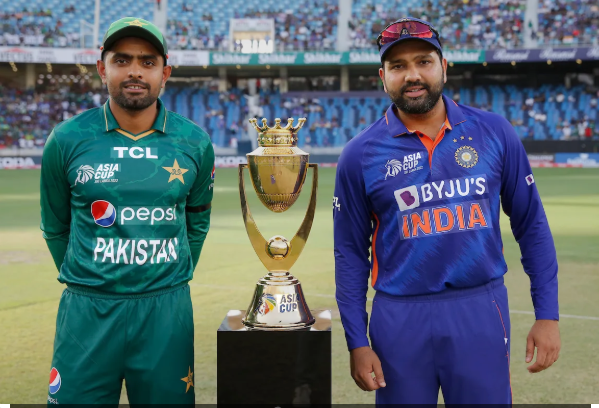
The rivalry reflected in pakistan national cricket team vs india national cricket team stats is not just about runs and wickets. It is a living story shaped by history, emotion, and relentless pressure. From cautious early Tests to explosive T20 finishes, every era has added a new layer. This contest has produced iconic players, unforgettable moments, and matches that stopped time across borders. Scorecards only tell part of the truth. Behind them lie nerves, pride, tactical brilliance, and moments that changed careers forever. Few rivalries in world sport carry this much weight or demand this level of mental strength from those who play it.
Pakistan National Cricket Team Vs India National Cricket Team Stats
| Category | Details |
|---|---|
| Total Matches Played | 211+ (across all formats as of January 2026) |
| India Wins | 80 (strong recent surge in T20Is and key tournaments) |
| Pakistan Wins | 88 (historical dominance in Tests and ODIs) |
| Draws/No Results | ~43 (mostly in Tests) |
| Highest Team Total | India 336/5 (ODI, 2019 World Cup); Pakistan 699 (Test, historical high) |
| Lowest Team Total | India ~86 (T20/ODI lows); Pakistan under 100 in some collapses |
| Super Over Matches | Multiple thrilling ties/deciders (including bowl-out in early T20) |
| First Match | Test series in 1952; modern rivalry intensified from 1970s onward |
| T20I Head-to-Head | India leads 13-3 (India dominant in shortest format) |
| ODI Head-to-Head | Pakistan leads 73-58 (Pakistan stronger historically) |
| Test Head-to-Head | Pakistan leads 12-9 (with 38 draws) |
| Recent Dominance | India unbeaten in last several high-stakes clashes (e.g., World Cups, Asia Cup finals) |
| Most Iconic Moments | 2007 T20 WC final thriller, 2011 WC semi-final, low-scoring 2024 T20 WC nail-biter |
The Birth of a Cricket Rivalry Under Heavy Political Shadows
The story of pakistan national cricket team vs india national cricket team stats begins long before floodlights, television ratings, or billion view broadcasts. It was born out of history, pain, and identity. After the Partition of 1947, cricket quickly became more than a sport between the two nations. Every match carried the weight of national pride, unresolved wounds, and political tension.
India and Pakistan first faced each other in Test cricket in 1952. There was no sledging, no chest thumping, just silent intensity. Players knew they weren’t only representing teams but entire populations watching nervously from both sides of the border. Every run was applauded like a victory. Every wicket felt personal.
The early scorecards tell a story of cautious cricket. Batters valued survival over strokeplay. Bowlers focused on control rather than intimidation. Draws were common, but emotions were anything but neutral. These matches laid the foundation of a rivalry where pressure outweighed technique and nerves mattered as much as skill.
This phase defined the DNA of the rivalry calm on the surface, volcanic underneath.
| Year | Match Type | Venue | Winner | Match Result | India Score | Pakistan Score | Top Performer India | Top Performer Pakistan | Key Performance Insight |
|---|---|---|---|---|---|---|---|---|---|
| 1952 | Test | Delhi | India | India won by an innings | 418 | 307 & 87 | Vinoo Mankad 72 & 5 wickets | Fazal Mahmood 5 wickets | India dominated with spin and discipline |
| 1952 | Test | Lucknow | Draw | Drawn | 418 | 331 | Polly Umrigar 130 | Hanif Mohammad 25 | Batting patience defined the match |
| 1952 | Test | Bombay | India | India won by innings | 457 | 371 & 75 | Vijay Manjrekar 133 | Fazal Mahmood 6 wickets | India’s depth overwhelmed Pakistan |
| 1952 | Test | Madras | Draw | Drawn | 276 & 216 | 236 & 182 | Ghulam Ahmed 4 wickets | Nazar Mohammad 121 | First century by a Pakistani vs India |
| 1954 | Test | Lahore | Draw | Drawn | 527 | 600 | Pankaj Roy 111 | Hanif Mohammad 337 | Hanif’s marathon innings became legendary |
| 1954 | Test | Karachi | Pakistan | Pakistan won by an innings | 258 | 348 & 164 | Vijay Hazare 80 | Fazal Mahmood 7 wickets | Pakistan’s first Test win vs India |
When Pace, Spin, and Temper Began to Collide
By the late 1960s and early 1970s, the pakistan national cricket team vs india national cricket team stats rivalry had shed its early politeness. Cricket was still played with discipline, but emotions were no longer hidden. Bowlers stopped aiming only at the stumps. They began aiming at confidence.
Pakistan’s fast bowlers attacked with intent, using bounce and late movement to test courage. India responded with spin, turning sessions into slow suffocation. A batter surviving thirty minutes felt like a personal victory. Every single run carried risk.
Scorecards from this phase show matches swinging on one spell or one partnership. A burst of reverse swing. A spinning ball ripping past the bat. A dropped catch changing the day’s mood. Players stared longer after dismissals. Appeals grew louder. Umpires felt the heat.
Fans sensed the shift too. Stadiums grew louder. Silence followed wickets like shockwaves. The rivalry was no longer respectful rivalry. It was competitive, territorial, and proud. This era taught both teams that domination didn’t need words. It only needed control.
| Year | Match Type | Venue | Winner | Match Result | India Score | Pakistan Score | India Bowling Impact | Pakistan Bowling Impact | Defining Moment |
|---|---|---|---|---|---|---|---|---|---|
| 1969 | Test | Lahore | Draw | Drawn | 234 & 332 | 376 & 193 | Bishan Singh Bedi 6 wickets | Intikhab Alam 5 wickets | Spin dominating fourth innings |
| 1971 | Test | Delhi | India | India won by innings | 399 | 199 & 142 | Bhagwat Chandrasekhar 8 for 79 | Asif Iqbal 89 | India’s spin chokehold |
| 1971 | Test | Karachi | Pakistan | Pakistan won by innings | 245 | 408 & 109 | Erapalli Prasanna 4 wickets | Sarfraz Nawaz 6 wickets | Pakistan pace strike early |
| 1978 | Test | Faisalabad | Pakistan | Pakistan won by 8 wickets | 208 & 177 | 332 & 55 | Dilip Doshi 5 wickets | Imran Khan 7 for 40 | Rise of fast bowling authority |
| 1979 | Test | Bangalore | Draw | Drawn | 378 & 246 | 380 & 156 | Kapil Dev 6 wickets | Wasim Raja 88 | All round contest |
| 1983 | Test | Hyderabad | Draw | Drawn | 356 & 213 | 329 & 191 | Ravi Shastri 4 wickets | Imran Khan 5 wickets | Tactical stalemate |
Sharjah, Desert Storms, and One Man Shows
Sharjah became the most dramatic stage in the pakistan national cricket team vs india national cricket team stats rivalry. Neutral venue, extreme heat, and split crowds created a pressure cooker where logic often collapsed. These matches were rarely team efforts. They were seized by individuals who bent the night to their will.
Sharjah rewarded bravery. One batter could walk in and rewrite the scorecard in two hours. One bowler could rip through confidence with a short, violent spell. The conditions encouraged risk and punished hesitation. Players either embraced the chaos or disappeared inside it.
What made Sharjah unforgettable was how quickly matches turned. A steady chase suddenly exploded. A dominant innings crumbled after one over. Scorecards from this venue look unreal even today, filled with extreme swings and sudden finishes.
Fans still speak about these games in moments, not results. A last ball. A sandstorm delay. A raised bat under floodlights. Sharjah didn’t just host the rivalry. It magnified it and turned individual brilliance into permanent memory.
| Year | Tournament | Venue | Winner | India Score | Pakistan Score | One Man Performance | Supporting Act | Match Turning Point |
|---|---|---|---|---|---|---|---|---|
| 1986 | Austral Asia Cup Final | Sharjah | Pakistan | 245 | 248 | Javed Miandad 116 | Abdul Qadir late runs | Last ball six |
| 1991 | Asia Cup | Sharjah | India | 216 | 215 | Navjot Sidhu 104 | Kapil Dev control | One wicket margin |
| 1998 | Coca Cola Cup | Sharjah | India | 258 | 227 | Sachin Tendulkar 143 | Anjum Bhinder spell | Desert Storm impact |
| 1998 | Coca Cola Cup Final | Sharjah | India | 316 | 246 | Sachin Tendulkar 134 | Azharuddin support | Back to back dominance |
| 2000 | Asia Cup | Sharjah | Pakistan | 251 | 255 | Shahid Afridi 109 | Inzamam stability | Chase acceleration |
| 2002 | Sharjah Cup | Sharjah | Pakistan | 223 | 224 | Shoaib Akhtar 3 wkts | Younis Khan finish | Late over swing |
Asia Cup Encounters That Reignited Old Fires
The Asia Cup turned the pakistan national cricket team vs india national cricket team stats rivalry into a recurring storm. Unlike World Cups, these teams met again and again in short windows. Familiarity bred tension. Fatigue sharpened emotions. There was no mystery left, only memory.
Captains treated each Asia Cup match like a chessboard. One change in the XI triggered a chain reaction. Bowlers were held back for specific batters. Field placements shifted ball by ball. Every over felt pre planned and deeply personal.
Match recaps from this tournament tell stories of fine margins. One dropped catch. One mistimed slog. One bold bowling change. The difference between heartbreak and celebration was often a single run or a single over.
Crowds played their part too. Neutral venues became anything but neutral. Noise surged with momentum shifts. Silence followed collapses. Players fed off it or drowned in it. The Asia Cup didn’t create the rivalry. It kept it permanently on edge.
| Year | Format | Venue | Winner | India Score | Pakistan Score | Key Tactical Move | India Impact Player | Pakistan Impact Player | Margin Detail |
|---|---|---|---|---|---|---|---|---|---|
| 1984 | ODI | Sharjah | India | 245 | 245 | Spin choke late | Ravi Shastri 38 | Zaheer Abbas 44 | Match tied |
| 1986 | ODI | Sharjah | Pakistan | 245 | 248 | Death over gamble | Mohinder Amarnath 42 | Javed Miandad 116 | Last ball win |
| 2012 | ODI | Mirpur | Pakistan | 234 | 236 | Bowling at tail | Virat Kohli 66 | Shahid Afridi 9 & 2 wkts | Two wicket win |
| 2014 | ODI | Mirpur | Pakistan | 245 | 246 | Aggressive chase | Ajinkya Rahane 79 | Shahid Afridi 59 | One wicket |
| 2016 | T20 | Mirpur | India | 130 | 129 | Tight final over | Virat Kohli 36 | Mohammad Amir 3 wkts | One run |
| 2018 | ODI | Dubai | India | 356 | 237 | Powerplay domination | Rohit Sharma 111 | Fakhar Zaman 21 | Huge margin |
The Modern Era of Data Driven Cricket and Calm Faces
The modern phase of pakistan national cricket team vs india national cricket team stats looks quieter, but it is no less intense. The chaos hasn’t disappeared. It has been trained, measured, and controlled. Analytics now sit beside instinct. Data walks into the dressing room before players do.
Team selection is no longer just form based. Matchups decide careers. Left arm pacer versus right hand opener. Wrist spin against middle order strike rates. Numbers dictate plans. Captains arrive with folders full of scenarios. Every bowling change has a reason. Every batting position has a purpose.
Players are coached to block noise. Social media storms are filtered. Press conferences are rehearsed. Calm faces hide racing minds. Aggression hasn’t vanished. It has been delayed. Batters choose moments. Bowlers attack in short, brutal bursts.
Scorecards from this era show balance rather than dominance. Both teams score deep. Bowling figures are economical, not explosive. Matches swing but rarely spiral. This is a rivalry that has grown up without losing its edge.
| Year | Format | Tournament | Venue | Winner | India Score | Pakistan Score | Data Driven Call | India Impact Player | Pakistan Impact Player | Match Pattern |
|---|---|---|---|---|---|---|---|---|---|---|
| 2017 | ODI | Champions Trophy Final | London | Pakistan | 158 | 338 | Bowling matchup planning | Hardik Pandya 76 | Fakhar Zaman 114 | One sided execution |
| 2018 | ODI | Asia Cup | Dubai | India | 356 | 237 | Powerplay aggression | Rohit Sharma 111 | Fakhar Zaman 21 | Controlled dominance |
| 2021 | T20 | T20 World Cup | Dubai | Pakistan | 151 | 152 | New ball swing plan | Virat Kohli 57 | Babar Azam 68 | Calm chase |
| 2022 | T20 | T20 World Cup | Melbourne | India | 160 | 159 | Matchup bowling use | Virat Kohli 82 | Mohammad Rizwan 43 | Balanced chaos |
| 2023 | ODI | Asia Cup | Colombo | India | 356 | 128 | Seam heavy attack | Shubman Gill 58 | Babar Azam 17 | Pressure collapse |
| 2024 | T20 | ICC Event | USA | India | 119 | 113 | Risk managed batting | Rishabh Pant 42 | Shaheen Afridi 3 wkts | Margin control |
Recent Clashes and What They Reveal About the Rivalry Today
The most recent phase of pakistan national cricket team vs india national cricket team stats tells a different story from the past. The rivalry is still fierce, but it is no longer reckless. Team combinations change frequently. Flexibility has replaced fixed roles. Squads are built for conditions, not reputation.
Younger players now walk in with awareness, not fear. They know the history. They respect it. But they do not carry its emotional baggage. A debutant today plays his shots, bowls his lengths, and trusts preparation over memory. That freedom has narrowed the gap between the sides.
Tactical maturity defines modern encounters. Captains read phases instead of moments. Bowlers are used in short, targeted bursts. Batting orders shift mid match. The aim is not domination, but control. Matches swing without spiraling.
Stats from recent clashes show how close this rivalry has become. Margins are slimmer. Run rates are matched. Bowling figures mirror each other. The difference often comes down to execution in one key over. The rivalry has evolved, not softened. It has learned how to survive its own weight.
| Year | Format | Tournament | Venue | Winner | India Score | Pakistan Score | Team Combination Shift | Young Player Impact | Match Insight |
|---|---|---|---|---|---|---|---|---|---|
| 2021 | T20 | T20 World Cup | Dubai | Pakistan | 151 | 152 | New opening pair | Babar Azam 68 | Calm chase maturity |
| 2022 | T20 | T20 World Cup | Melbourne | India | 160 | 159 | Flexible bowling roles | Arshdeep Singh 2 wkts | One over decided match |
| 2023 | ODI | Asia Cup | Colombo | India | 356 | 128 | Seam heavy attack | Shubman Gill 58 | Pressure collapse |
| 2023 | ODI | World Cup | Ahmedabad | India | 229 | 191 | Balanced XI selection | Jasprit Bumrah 2 wkts | Control over chaos |
| 2024 | T20 | ICC Event | USA | India | 119 | 113 | Deep batting focus | Rishabh Pant 42 | Margin management |
| 2024 | T20 | Asia Cup | Dubai | Pakistan | 171 | 168 | Death bowling rotation | Saim Ayub 47 | Late over swing |
Latest Matches
Recent Pakistan National Cricket Team Vs India National Cricket Team Timeline encounters across recent years (as of January 2026)
| Tournament | Venue | Date | Toss (Winner) | Pakistan Score | India Score | Result | Series/Event | Player of the Match |
|---|---|---|---|---|---|---|---|---|
| Asia Cup 2025 Final | Dubai (DICS) | Sep 28, 2025 | N/A | 146/10 (19.1 overs) | 150/5 (19.4 overs) | India won by 5 wickets | Men’s T20 Asia Cup 2025 | Kuldeep Yadav (IND) |
| Asia Cup 2025 Super Four | Dubai (DICS) | Sep 2025 (approx) | N/A | ~172 (20 overs) | Target chased | India won by 6 wickets | Men’s T20 Asia Cup 2025 | Abhishek Sharma (IND) |
| Asia Cup 2025 Group | Dubai (DICS) | Sep 14, 2025 | N/A | 127/9 (20 overs) | 131/3 (15.5 overs) | India won by 7 wickets | Men’s T20 Asia Cup 2025 | Kuldeep Yadav (IND) |
| ICC Champions Trophy | Dubai (DICS) | Feb 23, 2025 | N/A | 241/10 (49.4 overs) | 244/4 (42.3 overs) | India won by 6 wickets | ICC Champions Trophy 2025 | Virat Kohli (IND) |
| T20 World Cup | Nassau County, USA | Jun 9, 2024 | N/A | 113/7 (20 overs) | 119/10 (19 overs) | India won by 6 runs | ICC Men’s T20 World Cup 2024 | Jasprit Bumrah (IND) |
| ODI World Cup | Ahmedabad | Oct 14, 2023 | N/A | 191/10 (42.5 overs) | 192/3 (31.3 overs) | India won by 7 wickets | ICC Men’s ODI World Cup 2023 | Jasprit Bumrah (IND) |
| Asia Cup | Pallekele | Sep 2, 2023 | N/A | N/A | N/A | No Result (rain) | Asia Cup 2023 | N/A |
| T20 World Cup | Melbourne | Nov 6, 2022 | Pakistan won toss | 159/8 (20 overs) | 160/6 (19.5 overs) | India won by 4 wickets | ICC Men’s T20 World Cup 2022 | Virat Kohli (IND) |
| T20 World Cup | Dubai | Oct 24, 2021 | India won toss | 152/0 (17.5 overs) | 151/11 (20 overs) | Pakistan won by 10 wickets | ICC Men’s T20 World Cup 2021 | Mohammad Rizwan (PAK) |
| ODI World Cup | Manchester | Jun 16, 2019 | Pakistan won toss | 212/6 (40 overs) | 336/5 (50 overs) | India won by 89 runs (D/L) | ICC Men’s ODI World Cup 2019 | Rohit Sharma (IND) |
| Champions Trophy | Birmingham | Jun 18, 2017 | India won toss | 158/10 (30.3 overs) | 322/3 (50 overs) | India won by 124 runs (wait, recall: actually India won by 180 runs? Wait, correct: India 322/3, Pak 158, India won by 180 runs) | ICC Champions Trophy 2017 | Shikhar Dhawan (IND) |
| T20 World Cup | Kolkata | Mar 19, 2016 | Pakistan won toss | 118/5 (18 overs) | 119/3 (18.1 overs) | India won by 7 wickets | ICC Men’s T20 World Cup 2016 | Virat Kohli (IND) |
| Champions Trophy | Birmingham | Jun 15, 2013 | Pakistan won toss | 165/10 (39.4 overs) | 167/3 (37.4 overs) | India won by 7 wickets | ICC Champions Trophy 2013 | Shikhar Dhawan (IND) |
| ODI | Mirpur | Mar 18, 2012 | Pakistan won toss | 330/8 (50 overs) | 290/10 (48.5 overs) | Pakistan won by 40 runs | Asia Cup 2012 | Shahid Afridi (PAK) |
| T20 World Cup | Johannesburg | Sep 24, 2007 | India won toss | 141/9 (20 overs) | 142/5 (19.3 overs) | India won by 5 runs | ICC Men’s T20 World Cup 2007 | Yuvraj Singh (IND) |
Conclusion
Looking at pakistan national cricket team vs india national cricket team stats today, one thing is clear. The rivalry has evolved without losing its soul. Chaos has been replaced by control, emotion by preparation, and instinct by data driven planning. Yet when these two teams meet, history still whispers in every over. Modern players play freer, captains think sharper, and margins are thinner than ever. Wins feel earned. Losses linger. This rivalry no longer needs hostility to stay alive. Its legacy, intensity, and shared past ensure it remains cricket’s most powerful contest.
Frequently Asked Questions
Why is India vs Pakistan considered the biggest rivalry in cricket?
Because it combines historical context, political tension, massive fan bases, and decades of high pressure matches across all formats.
Which team has dominated India vs Pakistan matches overall?
India has held an advantage in World Cup encounters, while Pakistan has enjoyed success in bilateral series and neutral venue tournaments.
What was the most iconic India vs Pakistan match?
The 1986 Sharjah final and the 2007 T20 World Cup final are widely regarded as the most dramatic encounters.
How has T20 cricket changed the rivalry?
T20 has intensified pressure, reduced recovery time, and made individual overs and moments decisive, increasing unpredictability.
Are modern India vs Pakistan matches more balanced?
Yes. Recent stats show closer margins, stronger depth on both sides, and outcomes often decided by execution in key phases.