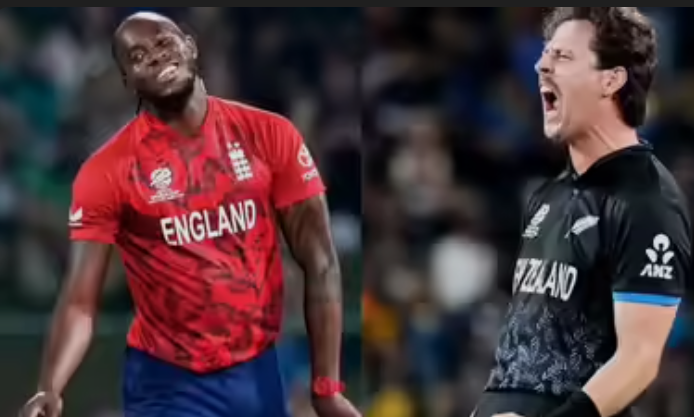
The rivalry between the New Zealand National Cricket Team and the England Cricket Team has produced some of the most dramatic moments in cricket history. From the early Test matches played on difficult pitches to modern high-scoring thrillers, both teams have pushed each other to the limit across generations. England often entered contests as favorites with experience and depth, while New Zealand built a reputation for discipline, resilience, and fighting spirit. Over decades, this rivalry has delivered unforgettable scorecards, emotional victories, controversial finishes, and legendary player battles featuring icons like Richard Hadlee, Ben Stokes, Kane Williamson, and Joe Root.
Latest Matches Table
Date
Format
Venue
Result
Player of the Match
Feb 27, 2026
T20I
Colombo, Sri Lanka
England won by 4 wickets
Will Jacks (ENG)
Nov 01, 2025
ODI
Wellington, NZ
New Zealand won by 2 wickets
Blair Tickner (NZ)
Oct 29, 2025
ODI
Hamilton, NZ
New Zealand won by 5 wickets
Blair Tickner (NZ)
Oct 26, 2025
ODI
Mt. Maunganui, NZ
New Zealand won by 4 wickets
Harry Brook (ENG)
Oct 20, 2025
T20I
Christchurch, NZ
England won by 65 runs
Harry Brook (ENG)
Head-to-Head Summary
Format
Total Matches
England Wins
New Zealand Wins
Ties / No Result / Draws
Test Matches
113
53
13
47 Draws
One-Day Internationals (ODI)
98
45
46
3 Ties, 4 No Result
Twenty20 Internationals (T20I)
27
15
10
1 Tie, 1 No Result
All Formats Combined
238
113
69
56
Best Player Analysis
Team
Player
Role
Key Metric vs Opposition
Why They Shape the Rivalry
England
Joe Root
Batter
Over 3,000 combined runs
Remains the highest active Test and ODI run-scorer against the Kiwis.
England
Ben Stokes
All-Rounder
182 (Highest individual ODI score)
Infamously anchored the legendary 2019 World Cup Final win.
New Zealand
Kane Williamson
Batter
1,390 Test runs
The bedrock of New Zealand’s batting lineage across decades of tours.
New Zealand
Matt Henry
Bowler
34 active bilateral wickets
Proved to be England’s primary Achilles’ heel across multiple conditions.
Top Run Scorers All-Time
Position
Player
Team
Career Span
Total Format Breakdown
1st
Joe Root
England
2013-Present
1,925 Test runs | 970+ ODI runs
2nd
Ross Taylor
New Zealand
2008-2022
1,424 Test runs | 1,474 ODI runs
3rd
Kane Williamson
New Zealand
2010-Present
1,390 Test runs | 1,000+ ODI runs
4th
Martin Crowe
New Zealand
1983-1994
1,421 Test runs | 540+ ODI runs
5th
John Wright
New Zealand
1978-1992
1,518 Test runs | 410+ ODI runs
From Colonial Links to Cricket Warfare
The rivalry between the New Zealand National Cricket Team and the England Cricket Team started during the early years of Test cricket when England toured New Zealand as the stronger side. England’s experienced batters and disciplined bowling attacks dominated most early encounters, while New Zealand struggled to establish itself at the international level. However, the Kiwi side slowly earned respect with determined batting and patient bowling performances. Matches during the 1930s and 1940s built the foundation of a rivalry that later became one of cricket’s most tactical battles. English conditions favored swing bowling, while New Zealand developed grit and resilience at home. These early contests created emotional crowd support and introduced generations of legendary cricketers.
Season
Score
Winner
Best Performance
Key Highlight
1930
ENG 101/8
England
Hammond century
First Test meeting
1932
Draw Match
Draw
Dempster batting
NZ resistance
1949
Series Draw
Draw
Donnelly brilliance
Competitive cricket
1958
ENG 349 vs NZ 180
England
Cowdrey century
England dominance
The Years When England Controlled the Rivalry
England controlled the rivalry for several decades because of superior experience, strong county cricket systems, and world-class fast bowlers. Players like Fred Trueman and John Snow troubled New Zealand batters with pace and movement. England’s batting lineups regularly crossed huge totals while New Zealand often fought just to survive long Test innings. Yet the rivalry never became one-sided emotionally because New Zealand constantly displayed fighting spirit. Tight sessions, stubborn lower-order stands, and determined bowling spells kept fans invested. During the 1960s and early 1970s, England used aggressive captaincy and tactical field placements to dominate both home and away series. These matches helped New Zealand learn how to compete against elite teams and prepared the foundation for future success against England.
Season
Score
Winner
Best Performance
Key Highlight
1963
ENG 435 vs NZ 216
England
Ted Dexter century
Innings victory
1965
ENG 349 vs NZ 180
England
Trueman bowling
Pace domination
1969
Drawn Test
Draw
Glenn Turner
Defensive improvement
1973
ENG 322 vs NZ 250
England
Underwood spell
Spin pressure
Richard Hadlee Changed the Rivalry Forever
The rivalry completely changed when Richard Hadlee emerged as New Zealand’s greatest fast bowler. Hadlee’s swing, accuracy, and intelligence transformed New Zealand into a dangerous side capable of defeating England consistently. Suddenly England’s confident batting order looked vulnerable under pressure. New Zealand fans finally believed they could dominate major cricket nations. During the late 1970s and 1980s, Hadlee delivered unforgettable bowling performances that shifted the emotional balance of the rivalry. His battles against English captains and senior batters became legendary. New Zealand also improved tactically with disciplined fielding and stronger batting support. These years marked the rise of New Zealand as a respected cricket power, while England struggled to counter the relentless pressure created by Hadlee’s magical spells.
Season
Score
Winner
Best Performance
Key Highlight
1978
NZ won by 72 runs
New Zealand
Hadlee 10 wickets
Rivalry shift
1983
Draw Match
Draw
Hadlee 8 wickets
England under pressure
1986
NZ Series Win
New Zealand
Martin Crowe 188
Historic triumph
1988
ENG victory
England
Gooch century
England comeback
Martin Crowe and Graham Gooch Raised the Intensity
The late 1980s and early 1990s introduced a more tactical and emotionally charged rivalry. Martin Crowe led New Zealand with intelligence and attacking instincts, while Graham Gooch dominated bowling attacks with patience and power. Their leadership styles reflected the changing nature of world cricket. One side relied on innovation while the other trusted experience and discipline. ODI cricket also became more important during this era, increasing pressure on every match. Fans witnessed dramatic collapses, crucial partnerships, and tense finishes. Crowe’s tactical field settings often challenged England’s aggressive batting plans. Meanwhile Gooch responded with commanding centuries that frustrated New Zealand bowlers and kept England competitive in difficult overseas conditions.
Season
Score
Winner
Best Performance
Key Highlight
1990
ENG 345 vs NZ 210
England
Gooch 116
Tactical battle
1992
NZ won ODI
New Zealand
Crowe century
World Cup boost
1994
Draw Match
Draw
Atherton 90
Slow tense contest
1997
England ODI Win
England
Alec Stewart fifty
Strong comeback
Flintoff, Fleming and the Modern Competitive Era
The rivalry became more balanced and entertaining during the early 2000s. Andrew Flintoff brought aggression and energy for England, while Stephen Fleming guided New Zealand with calm and tactical intelligence. Both teams adapted to modern ODI cricket with attacking batting and improved fielding standards. England’s powerful middle order created pressure quickly, but New Zealand responded with disciplined bowling and smart captaincy. Test matches during this era featured dramatic momentum shifts and emotional finishes. Fans loved the unpredictability because neither side dominated consistently. Young stars also emerged during this period, giving fresh energy to the rivalry. Tight matches in England and New Zealand increased global interest in this increasingly competitive cricket battle.
Season
Score
Winner
Best Performance
Key Highlight
2002
Draw Match
Draw
Fleming 262
Marathon innings
2004
England ODI Win
England
Flintoff all round show
Lord’s thriller
2007
NZ Test Win
New Zealand
Vettori 9 wickets
Bowling masterclass
2008
England ODI Win
England
Pietersen century
Aggressive chase
The 2019 World Cup Final Changed Cricket History
The greatest moment in the rivalry came during the 2019 Cricket World Cup Final at Lord’s. England and New Zealand played one of the most dramatic matches ever witnessed in cricket history. Both teams scored the same total, and even the Super Over ended level. England eventually won on the boundary count rule, creating global controversy and emotional heartbreak for New Zealand fans. Ben Stokes became England’s hero with a fearless innings under impossible pressure, while Kane Williamson earned worldwide respect for his calm leadership. The match united cricket fans emotionally because it represented courage, tension, sportsmanship, and heartbreak all in a single unforgettable final.
Season
Score
Winner
Best Performance
Key Highlight
2019 Final
241 vs 241
England
Ben Stokes unbeaten 84
Super Over drama
Super Over
15 vs 15
England
Buttler and Stokes
Boundary rule
Semi Final
NZ beat India
New Zealand
Williamson leadership
Underdog story
Tournament
England Champions
England
Archer final over
Historic ending
Bazball and the New Golden Generation
The rivalry entered another exciting phase with England’s aggressive Bazball strategy and New Zealand’s balanced modern squad. Kane Williamson continued leading with composure, while England adopted fearless attacking cricket under Ben Stokes and Brendon McCullum. Test cricket suddenly became fast, entertaining, and unpredictable again. England chased huge fourth-innings targets confidently, while New Zealand responded with disciplined swing bowling and counterattacking batting. Players like Joe Root, Harry Brook, Daryl Mitchell, and Tim Southee added new intensity to the contests. Fans enjoyed matches filled with rapid scoring, attacking declarations, and emotional finishes. This modern phase of the rivalry combines old-school discipline with modern aggression, making England versus New Zealand one of the most exciting rivalries in world cricket today.
Season
Score
Winner
Best Performance
Key Highlight
2022
England chase 299
England
Joe Root century
Bazball rise
2023
NZ won by 1 run
New Zealand
Williamson leadership
Historic comeback
2023
Draw Match
Draw
Daryl Mitchell century
Counterattack innings
2024
England victory
England
Harry Brook century
Aggressive declaration
Conclusion
The New Zealand National Cricket Team vs England Cricket Team timeline is far more than a collection of scorecards and statistics. It is a story of changing eras, tactical evolution, emotional drama, and mutual respect between two proud cricketing nations. From England’s early dominance to New Zealand’s rise as a fearless modern force, every decade added new intensity to the rivalry. Matches like the 2019 World Cup Final ensured this contest would remain part of cricket folklore forever. As new stars continue to emerge, the rivalry promises more unforgettable moments, thrilling finishes, and historic performances for future generations of cricket fans.